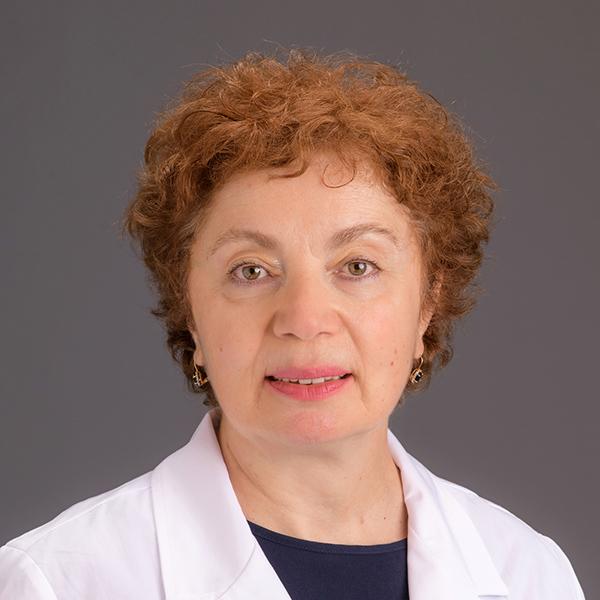
Zezong Gu, MD, PhD

Home

Ask a Pathologist

Education
Overview
CME
Residency
Medical
Graduate
Undergraduate
Teaching Awards
Gift of Body Program

Clinical Services
Overview
Laboratory Services
Anatomic Pathology Labs
Physician Opportunities
Physician Inquiries
Patient Inquiries
Contact Us

Research
Overview
Anatomic Pathology
Cancer Biology
Diabetes
Integrative Anatomy
Laboratory Medicine
Neurobiology
Tissue Procurement Core
Links

Forensic Services
Overview
Medical Examiner

Clinical & Anatomic Pathology

Anatomical Sciences

People
Faculty
Residents and Post-sophomore Fellows
Postdoctoral Fellows and Graduate Students
Lab Staff
Staff

Links

News

Calendars
Conferences
Forensic Sciences Interest Group

Giving to the Department

Contact Us

Zezong GuAssistant Professor
phone: 573-884-3880 (office); 573-884-7847 (laboratory)
email: guze@missouri.edu
Biographical sketch

Degrees: PhD, Cell Biology and Neuroscience, University of Texas Medical Branch (UTMB) at Galveston, TX; MD, Tianjin Medical University, Tianjin, China

Additional study: Postdoctoral Associate, Postdoctoral Fellow, Burnham Institute for Medical Research, La Jolla, CA

Academic appointments: Assistant Professor of neuroanatomy and neuroscience; Adjunct Assistant Professor, Burnham Institute for Medical Research, La Jolla, CA

Interests:

  • aging and neurodegenerative diseases, nitrosative and oxidative stress-mediated signal transduction
  • proteolysis, protein aggregation and degradation, and neuronal cell death
  • molecular imaging, structural modeling
  • 2D electrophoresis and mass spectrometry analysis of sub-proteome for the cysteine posttranslational modifications

Research description: Research interests in Gu Laboratory focus on understanding the molecular mechanisms of redox modulation, particularly the roles of nitrosative and/or oxidative stress in cell signal transduction machinery and the impact to neurological diseases. Reactive nitrogen/oxygen species (RNS/ROS) play diverse roles in regulating research imagebiological processes ranging from development to disease. Dr. Gu and his colleagues discovered that RNS/ROS-induced nitrosative and oxidative stress alters functions of both extracellular and intracellular key molecules in neurodegenerative disorders, including matrix metalloproteinases for their aberrant proteolytic activity to neuronal cell death in stroke and retinal neurodegeneration, and parkin, a ubiquitin E3 ligase linked to misfolded protein aggregates in the sporadic form of Parkinson’s disease.

Current research activities in the laboratory involves (1) therapeutic potential of mechanism-based inhibition of matrix metalloproteinases in stroke and retinal neurodegeneration; (2) molecular imaging of proteolysis in cells and in animals in vivo; (3) mass spectrometry (MS)-based analysis of sub-proteome for cysteine thiol posttranslational modifications (PTM) and molecular modeling for PTM-induced conformational changes; and (4) the molecular mechanisms of redox modulation of proteins and their down-stream signal transduction pathways that lead to dysfunctional ubiquitination, aggregation of misfolded proteins, aberrant proteolysis and neuronal cell death in neurodegenerative disorders. Ultimately, the findings may lead to identify potential therapeutic targets to intervene aberrant proteolysis, dysfunctional protein degradation, and neuron injury and death in neurodegenerative disorders.

Gu Laboratory has established and/or adopted various model systems, such as cell-free protein interaction, cell lines and/or primary neuronal cultures, and in vivo animal models representative of cerebral ischemic stroke, Parkinson’s and Alzheimer’s disease, and retinal degeneration. Multi-disciplinary approaches used in the laboratory include microsurgery, pharmacology, in vivo genetics, protein biochemistry, molecular and cell biology, immunocytochemistry, confocal/deconvolution microscopy with capacity for 3D and time-lapse imaging, molecular structure modeling, and comprehensive mass spectrometry strategies. These experimental approaches allow us to conduct translational research and investigate the mechanisms underlying protein aggregation and degradation, aberrant proteolysis, as well as neuronal cell injury nad death by environmental risk factors like oxidative/nitrosative stress.

Selective Publications

  • Gu Z.Z., Karl M., Yan B., Kridel S., Cui J.K., Strongin A., Smith J.W., Liddington C. R. and Lipton S.A.: S-nitrosylation of matrix metalloproteinases: signaling pathway to neuronal cell death. Science 2002, 297:1186-90.
  • Yao D., Gu Z.Z., Nakamura T., Shi Z-S., Ma Y., Masliah E. and Lipton S.A. Nitrosative stress linked to sporadic Parkinson’s disease: S-nitrosylation of parkin regulates its E3 ligase activity. Proc. Natl. Acad. Sci. USA 2004, 101:10810-14.
  • Gu Z.Z., Cui J.K., Brown S., Fridman R., Mobashery S., Strongin A. and Lipton S.A.: A highly specific inhibitor of matrix metalloproteinase-9 rescues laminin from proteolysis and neurons from apoptosis in transient focal cerebral ischemia. J. Neurosci. 2005, 25:6401-8.
  • Uehara T., Nakamura T., Yao D., Shi Z-S., Gu Z.Z., Ma Y., Masliah E., Nomura Y., and Lipton S.A.: S-Nitrosylated protein-disulfide isomerase links protein misfolding to neurodegeneration. Nature 2006, 441:315-7.
  • Takahashi H, Shin Y, Cho S-J, Zago WM, Nakamura T, Gu Z.Z., Ma Y, Furukawa H, Liddington R, Zhang D, Tong G, Chen HSV, and Lipton SA. Hypoxia enhances S-nitrosylation-mediated NMDA receptor inhibition via a thiol oxygen sensor motif. Neuron 2007, 53:53-64.
  • Redmond DE Jr, Bjugstad KB, Ourednik V, Teng YD, Ourednik J, Wakeman D, Parsons XH, Gonzalez R, Daadi MM, Blanchard BC, Kim SU, Gu Z.Z., Lipton SA, Markakis E, Roth RH, Elsworth JD, Sidman RL, Sladek, JR Jr., Snyder EY. Behavioral improvement in a primate Parkinson's model is associated with multiple homeostatic effects of human neural stem cells. Proc. Natl. Acad. Sci. USA 2007, 104:12175-12180.
  • Fang J.G., Nakamura T., Cho D.H., Gu Z.Z., Lipton S.A. S-Nitrosylation of peroxiredexin 2 promotes oxidative stress-induced neuronal cell death in Parkinson’s disease. Proc. Natl. Acad. Sci. USA 2007, 104:18742-7.
  • Cho D-H., Nakamura T., Fang J., Cieplak P., Godzik A., Gu Z.Z., and Lipton S.A. S-Nitrosylation of Drp1 mediates β-Amyloid-related mitochondrial fission and neuronal injury. Science 2009, 324:102-5.

Contact Us | Maps and Directions |

Department of Pathology & Anatomical Sciences | School of Medicine | University of Missouri

copyright © The Curators of the University of Missouri | an equal opportunity/ADA institution